


Is Platinum more valuable than gold: Which Precious Metal is Best?
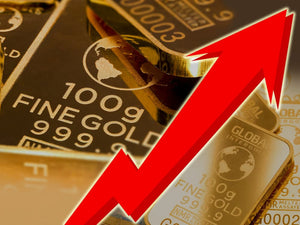

It is common to hear people talk about how they have invested in gold and silver as part of their overall investment approach. These metals have long been considered a "safe haven" investment that can be used to help protect the investor against economic uncertainty. However, you might not have heard as much about platinum and palladium in terms of their investment and industrial value. Today, we will look at all of these various metals and explore how each has unique value in terms of its investment potential and industrial uses.
The Industrial vs. Investment Demand for Each Metal
To start, let's talk about the investment demand for each metal:
-
Gold - A "safe haven" metal, gold has been historically viewed as the type of investment that you want to make as a hedge against inflation or other currency risks.
-
Silver - More volatile than gold, but tends to follow similar investment patterns. It can be used by those who don't have a large investment portfolio as a way to get in on the metal investment game.
-
Platinum - A bit more speculative than gold, but still seen as a hedging investment that one can get involved with to try to protect their portfolio against the risks of inflation.
-
Palladium - Not primarily used as an investment, it has more value for its industrial uses.
Each metal also has an industrial purpose. Here are some of the things that each metal is commonly used for:
-
Gold - Electronics and medical devices
-
Silver - Solar panels and electric vehicles
-
Platinum - Jewelry
-
Palladium - Hydrogen technology
Pros & Cons: Price Volatility, Rarity, Liquidity, and Historic Trends
You need to keep in mind that every type of metal investment that you might choose to make will have a variety of pros and cons attached to it. This is true in terms of the rarity and value of the metal as well as the liquidity of the commodity. For example, gold and silver are far more liquid than platinum or palladium. There are already well-established trading markets for gold and silver, and you should have no trouble finding a willing investor in the event that you choose to liquidate your holdings.
That said, platinum and palladium are considered emerging assets that could have real speculative value. You might find that you are able to grow your investment portfolio more rapidly and effectively by putting your money to work in these types of investments. It is certainly something that you should contemplate as you consider which metals make the most sense for your needs.
Performance Data
Each metal has a different track record in terms of its investment performance, but you will be happy to learn that each metal has performed historically quite well and is worthy of consideration for your portfolio. For example, gold has a long-term historical average return of 4.81% per year since 1925. Silver comes in at an average of 3.71% per year since 1925.
Meanwhile, platinum and palladium are newer to the portfolios of many investors and don't have quite as lengthy a track record. Still, platinum has shown an average return of 4-5% per year over the last 20 years. Meanwhile, palladium has a track record of 8.6% annually in recent years.
Add These Metals to Your Investment Portfolio
Are you interested in adding some precious metals to your investment portfolio? If so, there are plenty of ways to do so. Consider finding a gold or silver ETF and purchasing some shares in that. Alternatively, you can speak with an expert on our team about how you can directly invest in precious metals effectively.
Regardless of how you go about it, there is no doubt that including precious metals as part of your investment approach can help you diversify your portfolio effectively. For more information and personalized guidance on acquiring bullion, please contact us at AmFed Coin & Bullion today.
Image credit: // Shutterstock // Cash Ryan
- AmFed Coin & Bullion
